
Brief history of South Sudan
South Sudan got its sovereignty in 2011 making it the youngest country in the world. Before it gained this sovereignty, it was one united country called Sudan. As colonial powers were leaving Africa and giving independence to their colonies, Sudan gained it in 1962. As this was seen as a turning point for development and self-rule, it, unfortunately, took a wrong turn to dictatorship and politics of identity creating years of conflict and civil wars.
The northern Sudanese who are largely Arabs ruled the country with an iron hand at the expense of their southern brothers. They created a lot of atrocities against the Southerners such as killings, abductions, and kidnaps of their leaders. A casing point is the killing of the South Sudanese revolutionist John Garang when his plane was shot down on his way from Uganda. This sparked off a civil war which eventually led to the independence of South Sudan.
Introduction to South Sudan’s food culinary
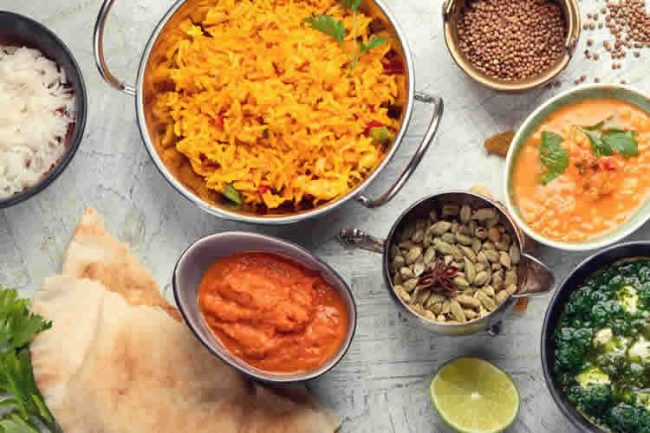
Although South Sudan has faced a lot of challenges in the past years, its food culinary heritage has not been affected. Food culinary tours in South Sudan go hand in hand with cultural heritage since certain foods are prominent to specific cultures. South Sudan is a cosmopolitan country with several tribes and cultures.
Each culture has a staple food cuisine though some cultures share similar cuisines. A food culinary tour in South Sudan is a perfect way to explore the different food cuisines both traditional and exotic to the country. Visitors will have an opportunity to try out different traditional dishes, interact with the local chefs, and learn the various ingredients used in the preparation of these dishes.
Visitors will follow the journey of food preparation with the local chefs and food artisans from the market as they shop the ingredients or gardens to the kitchens. Visitors will discover the rich heritage and tapestry of the food industry of South Sudan and engage in sampling the various traditional food cuisines.
As dining time clocks, visitors can enjoy their meal with entertainment from the local cultural songs and dances to accompany the meal. This combination of culture and food is not complete without a storytelling from the cultural elders hence giving the visitors an immersive and enlightening experience of food culinary heritage in South Sudan.
Staple and traditional foods in South Sudan
As mentioned earlier there are several staple foods for specific cultures in South Sudan. However, some of these cultures share similar food cuisines. The food culinary heritage of South Sudan reflects well the country’s rich ancient history and heritage. All the staple food cuisines of South Sudan are local and organic prepared using traditional methods.
Some of the staple foods also double as ingredients for making traditional cuisines. These include sorghum, millet, and maize. Other ingredients like spices and herbs are locally planted giving a fresh organic flavor to the cuisine and are essential in preparing the traditional dishes. The staple dishes on South Sudan’s traditional menu include injera.
This is a staple food common to the Mundari and Dinka people and is rich is carbohydrates. Asida and Shaiyah are also popular staple foods rich in meat and proteins. Domoda and Bamia are popular vegetable staple foods. Desserts like Kisra a flatbread and Moi-Moi a bean cake are staple foods to indulge in on food culinary tours in South Sudan.
Food culinary heritage of South Sudan
South Sudan like many other African countries, food cuisines are cultural are significant to different traditions, tribes, and cultural ceremonies. These food traditions have been passed through generations to date as they were prepared, served, and respected by the elders.
The food cuisines of South Sudan represent the rich cultural identity and hospitality of the people as accompanied by specific dishes. For instance, asida and moukhbaza are traditional dishes that represent a warm hospitality, generosity, and are served to welcome guests. These dishes are also served as celebratory feasts to different ceremonies, weddings, and especially for the Dinka tribe.
What to combine with food culinary in South Sudan?
South Sudan’s food cuisines are entangled with culture creation a formable combination of food culinary heritage. As visitors embark on a food culinary adventure experience in South Sudan, it is best combined with other safari adventures that the country offers. These adventures can include the following.
Game viewing
A food culinary tour can best be enjoyed with a game viewing adventure experience in Nimule National Park. The park is blessed with several wildlife species that can be explored on a game drive experience that brings you close to the wildlife in the comfort and safety of your vehicle. Visitors can encounter animals like elephants, zebras, antelopes, giraffes, and in some cases lions.
Birdwatching
Birding is also a good experience to combine with food culinary tours in South Sudan. There are many areas to have a birding safari in South Sudan, such as the Sudd wetland and Nimule National Park. These two areas combined harbor over 800 bird species. On this birding experience, expect to encounter migratory and endemic birds. Some of these birds include black crowned crane, white-faced whistling-duck, red-billed duck, mallard, Nob-billed duck, blue-billed teal, the African fish eagle, Goliath heron, and grey crowned crane, to mention but a few.
Boat cruise
A boat cruise experience also goes well with a food culinary tour in South Sudan. The White Nile, which feeds areas like the Sudd wetland and Nimule National Park, hosts incredible wildlife species and birds that can be interesting to encounter. A boat cruise experience gives visitors the best opportunity to get closer to the aquatic life in the safety of a boat. Visitors can spot animals like hippos, crocodiles, and several water-loving birds like the cormorants.
In conclusion, a food culinary tour in South Sudan opens up an adventure experience of exploring the food culinary heritage of the country that is significant to the rich history and culture of the South Sudanese that has be passed down through generations.