
Regardless of its being underdeveloped and Africa’s youngest country, South Sudan shelters some of Africa’s most untamed and ecologically significant wilderness spots that boast abundant wildlife. Even though the country faces ongoing security instabilities that require careful planning and professional guidance, certain protected areas stand out as relatively more stable and safer for passionate travelers seeking genuine, low-volume wildlife experiences.
South Sudan national parks form part of the Greater Nile ecosystem and support remarkable biodiversity, including one of the planet’s largest remaining mammal migrations. Below are the most outstanding options for responsible visitation as of today, with a strong emphasis on current realities and recommended ways to access the destination.
Nimule National Park
Compared to many other national parks in South Sudan that demand extra security measures, Nimule National Park stands out among the safest and most comfortable protected areas to visit in South Sudan for international visitors. The scenic park spans about 650 km² and is situated along the border with Uganda, stretching to the White Nile, delivering an ecosystem that is also extraordinary with natural inhabitants that vary to support a variety of wildlife.
Aside from hippos and Nile crocodiles that find their home in the River, various species of birds can be spotted in and around the Nimule area. Its nearness to the Ugandan border allows straightforward access, especially from Kampala or Juba, making it one of the more feasible safari destinations in the country.
Bandingilo National Park
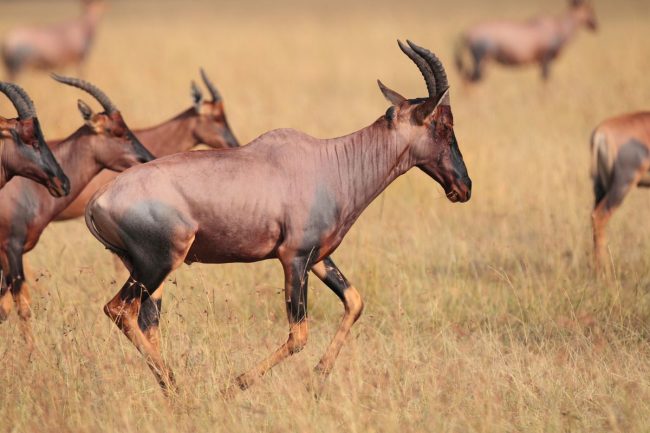
The Great Nile migration is what comes to many travelers’ minds when you Bandingilo National Park, and it’s never a lie; the spot is globally recognized for how it supports one of the largest land animal migrations on the planet. There are over six million antelopes, especially the white-eared antelope and tiang, recorded in this area.
Even though it is less visited, this expansive national park boasts the migrating herds of wildlife that cannot be spotted elsewhere on the continent, and not even the Mara Serengeti wildlife show can surpass. Flying safaris here are highly recommended and the most practical way to access untouched areas of the destination.
Boma National Park
Spanning the nearby Ethiopian border, Boma National Park prides itself as the largest protected area in the country and spans 22,800 km, making it an expansive wilderness spot that supports various natural habitats.
Just like the nearby Bandingilo, Boma plays a vital role in the Great Nile migration and brings scenic landscapes that shift with the changing seasons. Through proper management under the African Parks agreement, conservation efforts have seen progress, delivering a new hope for long-term protection of the wildlife.
Boma is not only vast but remote too, making aerial safaris by flight the most convenient and comfortable mode of exploration. Flying safaris are the best way to spot the migrating herds in large numbers in a way that ground travel cannot match.
Kidepo Wildlife Reserve, on the South Sudan side.
Also renowned as Kidepo Game Reserve, the multi-border national park is situated in the Eastern Equatoria, spanning both Ugandan and Kenyan borders. Being a transboundary landscape means it connects naturally with the mighty Kidepo Valley National Park in the Northern part of Uganda.
The spot is dominated by dramatic mountains and rugged savanna valleys, and is very rich in wildlife, especially the antelopes. Even though it is remote and demands a keen security assessment, its nearness to standard Ugandan tourism infrastructure makes it easily reachable, especially when done with expert local guides.
Southern National Park
When we talk about one of the largest and oldest protected reserves in South Sudan, Southern National Park obviously can’t be missed. The spot is dominated by miombo woodlands, wetlands, and abundant wildlife populations. However, it is important to note that given its size and location, safety and accessibility of the destination vary in different parts of the park.
What to consider before visiting national parks in South Sudan.
South Sudan’s overall security environment remains complex and complicated, and even though these protected areas and reserves show promise, especially those under proper management, visitation requires up-to-date travel advisories and flying safaris in remote national parks like Boma and Bandingilo to minimize ground exposure.
The engagement of organizations like African Parks in Bandingilo and Boma means progressive efforts toward responsible tourism and reliable conservation. For passionate travelers seeking moving experiences, real wilderness, and impactful conservation stories, South Sudan national parks bring something rare and exclusive. Visitors often praise the chance to witness bigger, largely untamed ecosystems, scenic landscapes, and how the country rewards those seeking authenticity and raw wilderness.
Visitors, however, are advised to consult current security briefings for their safety, given that the country has a lot of political instability. Working with reputable tour guides and prioritizing safety while supporting local communities is what makes the whole safari experience a remarkable one.