
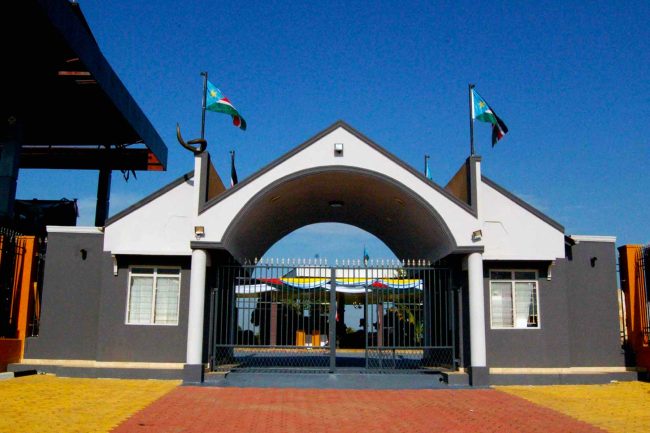
Overview of South Sudan
South Sudan is a sovereign country located in the eastern region of the African continent. It is bordered by Sudan in the north, Uganda in the south, the Central African Republic to the west, Ethiopia to the east, the Democratic Republic of Congo to the southwest, and Kenya to the southeast. It is a land of many different but slightly similar 64 tribes of people, making it one of the most biodiverse cultural countries.
South Sudan is the youngest country in the world, having gained independence in 2011. This was after 21 years of civil war that was characterized on tribal, political, and regional lines. Basically, these were wars driven by identity. These wars hindered development, causing the country to remain stagnant for a while. Although South Sudan gained sovereignty, there was a lot of work still to be done to improve and develop this nation. Alignment was one of its ways; in 2016, the newly crowned country, South Sudan, joined the East African Community. Through its journey to glory, this country has faced a lot of hardships but thrived through with unity.
With strong traditional ties through tribes, South Sudan is one of the leading nations offering incredible cultural tours. However, South Sudan’s potential as a leading cultural destination on the African continent has, over the years, been downsized by the civil wars. South Sudan is among the least-visited countries on the continent and in the world in general.
However, it is worth noting that South Sudan’s tourism potential is beyond its borders, given its abundance of tourist sights. South Sudan is a landlocked gem offering visitors an incredible set of attractions. South Sudan is often viewed as a desert with little to go about; however, it may not all be right. This country is relatively flat with scattered hills and mountains, although some areas are affected by the drought. However, most of the areas are green with a savannah grassland and woodland, riverine, and rainforest vegetation types. The Sudd wetland in South Sudan is the largest swamp by land mass in the world.
South Sudan has an impressively rich history that runs deep, as far back as the slave trade times. With such a rich history, ways were devised to protect and honor in remembrance of the historical figures and events that shape the history of this great nation. This was done through the building of historical sites across the country. Some of these historical sites in South Sudan include the following.
The Garang Monument
The Garang monument is a historical site in the heart of Juba, the capital city of South Sudan. At the time when the people of South Sudan were faced with a huge challenge of political turmoil, one man stood at the top as their liberator. This was none other than Doctor John Garang, a founding father of the South Sudan Liberation Movement/Army. He fought tirelessly for the sovereignty of South Sudan from the Khartoum government of Sudan. He is regarded by the people of South Sudan as the father of the nation. His persistence for a political revolution for independence later paid off as South Sudan was handed independence in 2011 after 21 years of war.
Unfortunately, Doctor John Garang did not live to see his dream come true as he died in a helicopter crash in 2005. He was traveling from a peace talk in Uganda when the helicopter he was traveling in crashed, and he died. A few years after the country gained independence, the Garang Monument was built in the center of the city of Juba at the independence grounds to honor his undisputed legacy as the father of South Sudan. Every year on 9th July, Doctor John Garang is remembered and his legacy honoured.
Jubek Tomb
Situated in Juba city, the Jubek tomb is a historical and cultural site where the founding father of the Jubek community rests. The Jubek people treasure this site and take it as a sacred place through their traditional folklore. This site offers an insight into the cultures and traditions of these people to visitors by studying their history through this site.
Deim Zubeir slave route site
Stretching as far as the slave trade times, South Sudan was an important area for slavery, as it was used as a slave trade route. The Deim Zubeir slave route site is a historical site that was used as a slave camp where slaves were collected before being sold off to the Arabs. This prehistoric site is located in the western state of Bahr el Ghazal. This site gets its name from Zubeir Rahm Mansur, who was a very popular Arab businessman from Sudan. This historic site today serves as an important reminder of the dark days of slavery that befell this great land.